
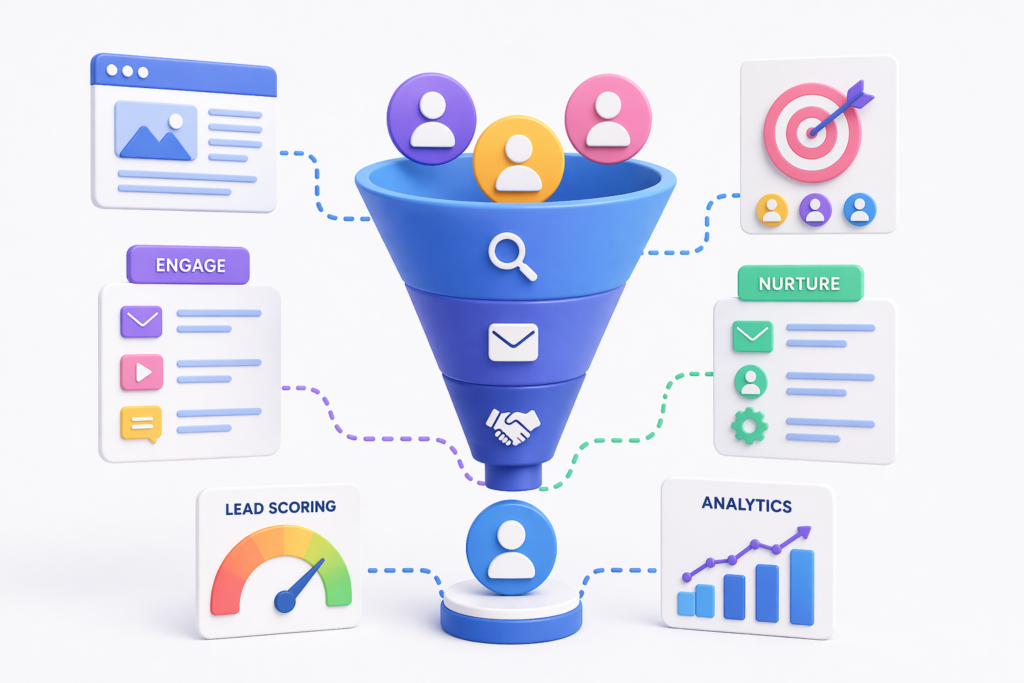
Discover how infosites can transform your online presence with SEO-driven strategies, user-focused design, and scalable content systems. Learn how to build, optimize, and grow high-performing infosites that rank on Google and drive consistent organic traffic.
Introduction
In today’s digital-first world, infosites have emerged as one of the most powerful ways to attract, educate, and convert audiences online. Unlike traditional websites that focus heavily on selling, infosites prioritize delivering valuable, well-structured, and search-optimized information that meets user intent. This approach not only builds trust but also aligns perfectly with modern search engine algorithms.
For businesses and creators leveraging platforms like Monthly Website Design, infosites represent a scalable and sustainable growth strategy. Whether you aim to generate leads, monetize through ads, or establish authority in your niche, a well-optimized infosite can become a long-term asset.
This comprehensive guide explores everything you need to know—from planning and structure to SEO, content, performance, and monetization—ensuring your infosite meets the highest standards of quality and visibility.
What Are Infosites and Why They Matter in 2026
Infosites, short for informational websites, are designed primarily to provide valuable, in-depth content that answers user queries. Unlike eCommerce or service-based sites, infosites focus on education, insights, and problem-solving rather than direct selling.
The importance of infosites has grown significantly due to evolving search engine algorithms. Google now prioritizes user intent, helpful content, and expertise, making infosites a perfect fit for ranking organically. When users search for answers, they are more likely to trust a site that provides comprehensive, unbiased information.
Another key reason infosites matter is their scalability. Once content is published and optimized, it can generate passive traffic for months or even years. This makes infosites a cost-effective marketing channel compared to paid advertising. With proper keyword research and content planning, a single infosite can rank for hundreds or even thousands of keywords.
From a business perspective, infosites also support brand authority and trust-building. When users repeatedly find valuable content on your site, they begin to view your brand as an expert in the field. This trust eventually translates into higher conversions, whether through email signups, affiliate links, or service inquiries.
The Core Structure of a High-Performing Infosite
A successful infosite starts with a clear and logical structure. Without proper organization, even the best content can fail to rank or engage users effectively. The foundation of an infosite typically includes categories, subcategories, and individual content pages.
At the top level, your site should be divided into core topic clusters. Each cluster focuses on a specific theme or subject area. For example, an infosite about digital marketing might include clusters like SEO, content marketing, and social media. This structure helps search engines understand your site’s hierarchy and relevance.
Within each cluster, you should create pillar pages and supporting articles. Pillar pages provide comprehensive overviews of a topic, while supporting articles dive deeper into specific subtopics. This internal linking strategy improves both SEO and user experience by guiding visitors through related content.
Navigation also plays a critical role. A clean, intuitive menu ensures users can easily find what they’re looking for. Additionally, using breadcrumbs and internal links enhances usability and helps search engines crawl your site more efficiently.
Ultimately, a well-structured infosite not only improves rankings but also increases time on site, engagement, and conversions.
Keyword Research Strategy for Infosites
Effective keyword research is the backbone of any successful infosite. Without targeting the right keywords, even high-quality content may struggle to attract traffic.
The process begins with identifying your primary keywords, which represent the main topics of your site. These should have a balance between search volume and competition. From there, you expand into secondary and LSI (Latent Semantic Indexing) keywords, which provide context and help your content rank for multiple search queries.
One of the most effective strategies is focusing on long-tail keywords. These are more specific phrases that often have lower competition but higher conversion potential. For example, instead of targeting “SEO,” you might target “SEO strategies for small business infosites.”
User intent is another critical factor. Keywords can be informational, navigational, or transactional. Infosites primarily focus on informational intent, meaning your content should answer questions, provide solutions, and deliver value.
Additionally, analyzing competitors can reveal keyword opportunities you may have missed. By studying top-ranking pages, you can identify gaps in content and create more comprehensive resources.
A well-planned keyword strategy ensures your infosite attracts targeted, high-quality traffic that aligns with your goals.
Creating High-Quality Content That Ranks
Content is the heart of any infosite, and its quality directly impacts your search rankings and user engagement. To succeed, your content must go beyond basic information and deliver real value, depth, and originality.
Start by understanding your audience’s needs. What questions are they asking? What problems are they trying to solve? Your content should provide clear, actionable answers while maintaining a professional and engaging tone.
Structure is equally important. Each article should include a strong introduction, well-organized headings, and concise paragraphs. Using formatting elements like bold, italic, and <u>underline</u> helps highlight key points and improve readability.
Another essential aspect is content depth. Google favors comprehensive content that thoroughly covers a topic. This doesn’t mean adding fluff but rather providing detailed explanations, examples, and insights.
Regular updates also play a role in maintaining quality. As trends and information change, updating your content ensures it remains relevant and accurate. This signals to search engines that your site is actively maintained.
Ultimately, high-quality content builds trust, encourages sharing, and improves your chances of ranking on competitive keywords.
On-Page SEO Optimization for Infosites
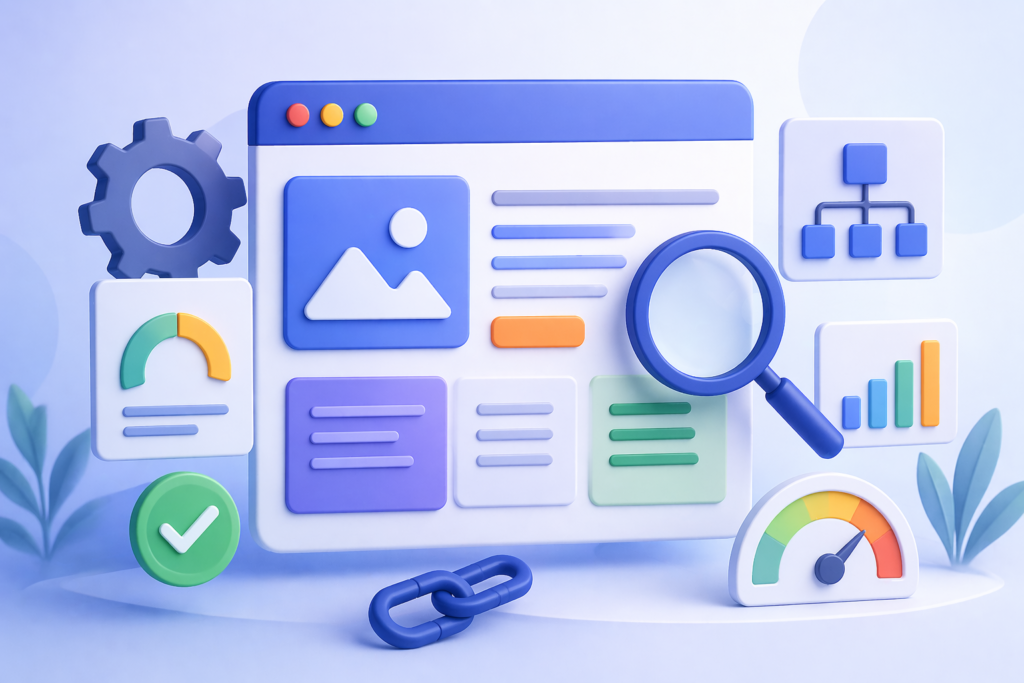
On-page SEO is crucial for ensuring your content is easily understood by both users and search engines. It involves optimizing individual pages to improve their visibility and relevance.
One of the key elements is the title tag, which should include your primary keyword and be compelling enough to attract clicks. Similarly, meta descriptions should provide a clear summary of the page’s content.
Headings (H1, H2, H3) should be used strategically to organize content and include relevant keywords. This not only improves readability but also helps search engines understand the structure of your page.
Another important factor is internal linking. Linking to related articles within your site helps distribute authority and keeps users engaged. It also allows search engines to crawl your site more effectively.
Image optimization is often overlooked but equally important. Using descriptive file names and alt text improves accessibility and can drive additional traffic from image search results.
By focusing on these on-page SEO elements, you can significantly enhance your infosite’s performance and ranking potential.
Technical SEO Foundations for Infosites
Technical SEO ensures your infosite is accessible, fast, and easy for search engines to crawl and index. Without a solid technical foundation, even the best content may struggle to rank.
One of the most critical aspects is site speed. Slow-loading pages can lead to higher bounce rates and lower rankings. Optimizing images, using caching, and choosing reliable hosting can significantly improve performance.
Mobile-friendliness is another essential factor. With the majority of users browsing on mobile devices, your infosite must provide a seamless experience across all screen sizes.
Additionally, implementing structured data helps search engines understand your content better. This can enhance your visibility through rich snippets and improved search listings.
Security is also a priority. Using HTTPS ensures your site is secure and builds trust with users. It is also a ranking factor in Google’s algorithm.
Finally, creating an XML sitemap and optimizing your robots.txt file ensures search engines can efficiently crawl and index your site.
Content Clusters and Topic Authority
Building topic authority is essential for long-term success in SEO. Infosites achieve this through content clusters, which group related content around a central theme.
A content cluster typically includes a pillar page and multiple supporting articles. The pillar page provides a comprehensive overview, while supporting articles cover specific aspects in detail.
This approach not only improves internal linking but also signals to search engines that your site is an authority on the topic. As a result, your content is more likely to rank higher in search results.
Another benefit of content clusters is improved user experience. Visitors can easily navigate between related topics, increasing engagement and time on site.
Over time, consistently publishing high-quality content within your clusters strengthens your site’s authority and visibility.
User Experience (UX) and Engagement Optimization
User experience plays a crucial role in the success of an infosite. A well-designed site keeps visitors engaged and encourages them to explore more content.
One of the key elements of UX is readability. Using short paragraphs, clear headings, and visual elements makes your content easier to consume. Additionally, a clean and modern design enhances overall usability.
Navigation should be intuitive, allowing users to find information quickly. Features like search bars, categories, and internal links improve accessibility.
Another important factor is engagement metrics. Metrics such as bounce rate, time on site, and pages per session provide insights into how users interact with your content.
Interactive elements like quizzes, videos, and infographics can further enhance engagement and keep users on your site longer.
By focusing on UX, you not only improve user satisfaction but also boost your SEO performance.
Monetization Strategies for Infosites
Infosites offer multiple monetization opportunities, making them a versatile and profitable online asset. The key is to choose strategies that align with your audience and content.
One of the most common methods is display advertising, where you earn revenue based on impressions or clicks. Platforms like ad networks make it easy to integrate ads into your site.
Affiliate marketing is another powerful strategy. By recommending products or services and including affiliate links, you can earn commissions on sales generated through your site.
Additionally, infosites can generate income through lead generation. By capturing user information through forms or subscriptions, you can nurture leads and convert them into customers.
Sponsored content and partnerships also provide revenue opportunities, especially as your site gains authority and traffic.
By diversifying your monetization strategies, you can maximize your infosite’s earning potential.
Building Authority and Trust (E-E-A-T Principles)
To rank successfully, your infosite must demonstrate Experience, Expertise, Authoritativeness, and Trustworthiness (E-E-A-T). These principles are essential for building credibility with both users and search engines.
Start by showcasing your expertise through well-researched and accurate content. Including author bios and credentials can further enhance credibility.
Citing reliable sources and linking to authoritative websites adds trustworthiness to your content. This shows that your information is backed by credible references.
User reviews, testimonials, and case studies also contribute to building trust. They provide social proof and demonstrate the value of your content.
Maintaining transparency, such as clear privacy policies and contact information, further strengthens your site’s credibility.
By focusing on E-E-A-T, you can establish your infosite as a trusted resource in your niche.
Link Building Strategies for Infosites
Link building remains one of the most influential ranking factors for infosites. High-quality backlinks signal to search engines that your content is valuable, credible, and worth ranking higher. However, modern link building is less about quantity and more about quality, relevance, and authenticity.
One of the most effective approaches is creating link-worthy content. This includes in-depth guides, original research, case studies, and data-driven articles that others naturally want to reference. When your content provides unique insights, it becomes a resource that other websites cite, generating organic backlinks.
Guest posting is another powerful strategy. By contributing valuable content to reputable websites in your niche, you not only gain backlinks but also expand your reach and authority. It’s important to focus on sites with strong domain authority and relevance to your topic.
You should also leverage outreach campaigns. This involves reaching out to bloggers, journalists, and website owners to promote your content. Personalized outreach with genuine value propositions tends to yield better results than generic requests.
For best practices, refer to Google link spam policies to ensure your strategies align with ethical SEO standards. Avoid manipulative tactics such as buying links or participating in link schemes, as these can lead to penalties.
Content Updating and Evergreen Strategy
One of the defining characteristics of successful infosites is their ability to remain relevant over time. This is achieved through a strong evergreen content strategy combined with regular updates.
Evergreen content focuses on topics that remain valuable for long periods. Examples include “how-to guides,” tutorials, and foundational concepts. These articles continue to attract traffic long after they are published, making them a cornerstone of your infosite.
However, even evergreen content requires updates. Search engines prioritize fresh and accurate information, so regularly reviewing and updating your articles is essential. This includes adding new data, refining explanations, and improving readability.
Updating content also provides an opportunity to optimize for new keywords and improve SEO performance. By analyzing search trends and user behavior, you can identify areas for improvement and enhance your content accordingly.
Additionally, repurposing content into different formats—such as videos, infographics, or podcasts—can extend its reach and engagement. This multi-channel approach ensures your content remains visible and valuable across different platforms.
Measuring Performance and SEO Analytics
To ensure your infosite is performing effectively, you need to track and analyze key metrics. Data-driven decisions allow you to optimize your strategy and achieve better results over time.
Start by monitoring organic traffic, which indicates how well your content is ranking in search engines. Tools like Google Analytics provide insights into user behavior, including page views, session duration, and bounce rates.
Another essential tool is Google Search Console, which helps you track keyword rankings, indexing status, and search performance. It also identifies technical issues that may affect your site’s visibility.
Conversion tracking is equally important. Whether your goal is lead generation, affiliate sales, or ad revenue, understanding how users convert allows you to refine your strategy.
You should also analyze engagement metrics, such as time on page and click-through rates. These indicators reveal how users interact with your content and highlight areas for improvement.
By consistently reviewing your analytics, you can make informed decisions and continuously improve your infosite’s performance.
Common Mistakes to Avoid When Building Infosites
While infosites offer significant opportunities, many creators make mistakes that limit their success. Understanding these pitfalls can help you avoid them and build a more effective website.
One of the most common mistakes is publishing low-quality or thin content. Articles that lack depth or originality fail to engage users and are unlikely to rank well. Instead, focus on creating comprehensive, valuable content that addresses user needs.
Another issue is poor keyword targeting. Choosing highly competitive keywords without a clear strategy can make it difficult to gain visibility. It’s important to balance search volume with competition and focus on long-tail keywords.
Neglecting technical SEO is another frequent mistake. Issues such as slow loading speeds, broken links, and poor mobile optimization can negatively impact your rankings and user experience.
Many infosite owners also overlook internal linking, which limits their ability to build topic authority and guide users through their content.
Finally, relying on outdated SEO tactics, such as keyword stuffing or link schemes, can lead to penalties. Following modern best practices ensures your site remains compliant with search engine guidelines.
Future Trends in Infosites and SEO

The future of infosites is closely tied to advancements in search engine technology and user behavior. Staying ahead of these trends is essential for maintaining competitiveness.
One of the most significant trends is the rise of AI-driven search and content generation. Search engines are becoming more sophisticated in understanding user intent and delivering personalized results. This means your content must be more relevant, engaging, and user-focused than ever before.
Voice search is another growing trend. As more users rely on voice assistants, optimizing for conversational queries and natural language becomes increasingly important.
Additionally, visual and interactive content is gaining prominence. Incorporating videos, infographics, and interactive elements can enhance user engagement and improve rankings.
Google’s focus on helpful content continues to shape SEO strategies. For more insights, refer to Google helpful content system, which emphasizes creating content for users rather than search engines.
By adapting to these trends, you can ensure your infosite remains relevant and continues to grow in the evolving digital landscape.
FAQs
1. What is an infosite?
An infosite is a website designed to provide valuable, informative content that answers user queries and builds authority in a specific niche.
2. How do infosites make money?
Infosites generate revenue through ads, affiliate marketing, lead generation, and sponsored content.
3. How long does it take for an infosite to rank?
Typically, it takes 3–6 months to see initial results, but significant growth may take 6–12 months depending on competition and strategy.
4. Do infosites require constant updates?
Yes, regular updates ensure your content remains relevant, accurate, and optimized for search engines.
5. What kind of content works best for infosites?
In-depth guides, tutorials, case studies, and data-driven articles perform exceptionally well.
6. Is SEO for infosites?
Absolutely. SEO ensures your content is discoverable and ranks well in search engine results.
7. Can beginners create successful infosites?
Yes, with proper planning, keyword research, and consistent effort, beginners can build successful infosites.
8. What tools are essential for managing an infosite?
Tools like analytics platforms, keyword research tools, and content management systems are essential for success.
Best Practices Summary
- Focus on high-quality, user-first content
- Build strong content clusters and internal links
- Optimize for on-page and technical SEO
- Regularly update and refresh content
- Use ethical link-building strategies
- Monitor performance using analytics tools
- Prioritize user experience and engagement
- Stay updated with SEO trends and algorithm changes
Conclusion
Infosites represent one of the most powerful and sustainable ways to build an online presence in 2026 and beyond. By focusing on high-quality content, strategic SEO, and user experience, you can create a platform that consistently attracts and engages your target audience.
For businesses working with Monthly Website Design, infosites offer a scalable solution for long-term growth, authority building, and revenue generation. With the right approach, your infosite can become a valuable digital asset that delivers results for years to come.
Want to Implement This Easily?
Prompt:
You are an expert consultant. Based on the blog post titled “(Infosites)”, provide a step-by-step, practical implementation guide. Include tools, best practices, common mistakes to avoid, and advanced tips. Assume the reader wants to implement everything discussed in this article effectively.
Call to Action:
Want our help implementing this? Just reach out to us via our website contact form: https://monthlywebsitedesign.co.uk/contact-us/