

Discover how service level agreements (SLAs) define service expectations, response times, uptime, security, accountability, and performance standards for reliable digital services.
Introduction
A reliable digital service requires more than a functioning website, responsive support team, or dependable hosting environment. Businesses also need clearly defined expectations, measurable performance standards, transparent communication, and agreed procedures for resolving problems. A Service Level Agreement (SLA) brings these elements together by documenting the level of service a provider promises to deliver and explaining how that commitment will be measured, monitored, and maintained.
For businesses that depend on websites, cloud platforms, managed hosting, software applications, maintenance services, and digital marketing systems, an effective SLA can make the difference between a well-managed working relationship and repeated misunderstandings. Without clearly documented service commitments, customers may be uncertain about how quickly a provider will respond to an outage, whether emergency support is included, what availability they can expect, or who is responsible for restoring normal operations. A well-designed agreement helps answer these questions before they become disputes.
At Monthly Website Design, understanding service expectations is an important part of building trust between digital service providers and the businesses that rely on them. This guide explains how service level agreements work, which elements they should contain, how to choose meaningful performance indicators, and how to establish practical processes for monitoring and improving service quality. It also explores common SLA mistakes, security considerations, technical standards, and the role of automation in modern service management.
Whether you operate a small business website, manage an e-commerce platform, provide WordPress maintenance, or oversee a portfolio of business-critical digital services, this article will help you understand how to develop an SLA that supports accountability, operational stability, and sustainable growth.
What Is a Service Level Agreement (SLA)?
A Service Level Agreement (SLA) is a documented agreement between a service provider and a customer that defines the expected quality, availability, responsiveness, and reliability of a service. It establishes what the provider is responsible for delivering, how performance will be measured, what happens when agreed standards are not achieved, and how both parties will manage ongoing service delivery. SLAs are commonly used for website hosting, IT support, cloud computing, software-as-a-service (SaaS), website maintenance, cybersecurity, and managed digital services. Although the level of detail varies according to the service, the central objective remains the same: to create clear, measurable, and mutually understood expectations.
For example, a business that relies on an e-commerce website might require an SLA covering website availability, emergency technical support, backup frequency, security incident response, and restoration procedures. The provider could agree to a defined monthly availability target, acknowledge critical incidents within a specified period, and communicate progress until the issue is resolved. These commitments help the customer understand the service being purchased and allow the provider to organise staffing, monitoring, technical resources, and escalation processes around realistic obligations. The agreement should also explain exclusions, dependencies, and circumstances outside the provider’s control so that neither party makes assumptions about what is covered.
An SLA is more than a statement of good intentions. It should connect contractual promises with operational processes and verifiable evidence. Terms such as fast support, high availability, and reliable maintenance are insufficient unless they have clear definitions. A meaningful agreement specifies how availability is calculated, which support channels qualify, how response times are measured, and what remedies apply when commitments are missed. It may also refer to a broader service contract, technical documentation, a support policy, or a data-processing agreement. These documents serve different purposes and should work together without contradicting one another. When the scope, responsibilities, measurements, and remedies are properly documented, an SLA becomes a practical management tool that supports trust, improves communication, and reduces avoidable disputes.
Why Service Level Agreements Matter for Modern Businesses
Businesses increasingly depend on digital services to attract customers, process payments, communicate with suppliers, manage information, and deliver products. Even a short website outage can interrupt enquiries, prevent purchases, damage customer confidence, or create additional support costs. An SLA helps organisations establish expectations before these situations arise. Instead of negotiating responsibilities during an emergency, customers and providers can refer to agreed procedures for incident reporting, escalation, communication, and service restoration. This preparation is particularly important for organisations whose revenue or reputation depends on the availability of their online services.
A well-designed agreement also improves accountability. Customers need to understand what they are paying for, while providers need a manageable framework for delivering the promised service. An SLA can clarify whether routine maintenance, software updates, malware investigations, emergency fixes, hosting infrastructure, and third-party integrations are included in the service. It can identify which party manages domain registration, backups, access credentials, software licences, and disaster recovery arrangements. These details prevent assumptions from developing into disagreements. They also help service providers allocate resources more accurately, establish appropriate support coverage, and distinguish included work from additional services that require separate approval or charges.
Another important benefit is that an SLA creates a foundation for continuous improvement. By reviewing incident volumes, response times, resolution times, availability, and recurring faults, both parties can identify patterns that would otherwise remain hidden. Repeated performance problems may indicate insufficient infrastructure, outdated software, unclear ownership, inadequate documentation, or unrealistic service commitments. Organisations can use this evidence to prioritise improvements rather than relying on isolated complaints or subjective impressions. SLAs are not a guarantee that failures will never happen, and they cannot eliminate every business risk. Their value lies in establishing a fair, transparent method for managing service delivery when conditions are both normal and challenging. When performance commitments reflect genuine business needs and are reviewed regularly, an SLA becomes a strategic instrument for protecting continuity, improving customer experience, and supporting long-term supplier relationships.
The Main Types of Service Level Agreements
Service level agreements can be structured in different ways depending on the number of customers served, the complexity of the service, and the requirements of the business relationship. A customer-based SLA is designed for a particular customer and may cover several services under one agreement. For example, an organisation might receive website hosting, technical maintenance, security monitoring, and support under a single document. This structure allows the provider to define the customer’s overall requirements while documenting separate service targets where necessary. It is useful when a customer has specific operating hours, compliance obligations, integration requirements, or escalation contacts that differ from those of other customers.
A service-based SLA applies a consistent set of commitments to a particular service offered to multiple customers. A hosting provider, for instance, might publish an availability target and a standard support process for a defined hosting package. A managed WordPress service might specify how frequently updates are reviewed, which backup features are included, and how eligible technical incidents are handled. This approach improves consistency and simplifies service management, especially when a provider supports many customers. However, a standard SLA should not imply that every customer has identical requirements. Business-critical websites may need different support arrangements, recovery targets, or maintenance windows from smaller informational websites. Providers should identify these differences explicitly rather than relying on broad descriptions of service tiers.
A multilevel SLA separates commitments into layers, commonly including corporate-level requirements, customer-level conditions, and service-specific targets. Corporate provisions might define general security expectations and complaint-handling procedures, while customer-level terms establish communication channels and account responsibilities. Service-level provisions can then define measurable commitments for hosting, technical support, or backup restoration. This layered approach helps prevent the same rules from being unnecessarily repeated across multiple documents. It can also make complex service arrangements easier to maintain when one customer uses several services. The correct structure depends on the relationship, but every approach should provide a clear view of what applies, who is responsible, and which measurement rules govern each commitment. Before selecting a model, businesses should consider service complexity, customer diversity, operational capacity, and the need for customised terms. The best SLA format is the one that remains understandable, enforceable where appropriate, and practical to administer throughout the relationship.
Essential Components of an Effective SLA
An effective SLA begins with a clear description of the service covered by the agreement. This section should identify the service provider, customer, relevant systems, supported environments, included activities, service boundaries, and any dependencies. For website services, that might mean identifying the production website, hosting environment, content management system, monitoring arrangements, and maintenance responsibilities. The document should explain what is included in the agreed price and which activities require separate authorisation or payment. It should also distinguish between services that the provider directly controls and services delivered by external suppliers. A precise scope reduces uncertainty and gives both parties a reliable reference when evaluating whether a particular task or incident falls within the agreement.
The SLA should then establish measurable service levels, reporting methods, and responsibility assignments. Depending on the service, relevant measures may include monthly availability, initial response time, restoration time, backup success rate, security incident acknowledgement, or scheduled maintenance completion. Each metric needs a definition, measurement source, reporting interval, and rules for handling exclusions. The agreement should also identify the people or teams responsible for submitting incidents, investigating technical issues, approving changes, communicating with stakeholders, and escalating unresolved problems. Service hours and time zones should be explicit. A promise of support within one hour, for example, is ambiguous unless the parties understand whether that means one calendar hour or one hour during the provider’s published support window.
Finally, an SLA should explain what happens when performance falls below the agreed standard. This may involve service credits, corrective action plans, escalation meetings, additional reporting, termination rights, or other remedies specified in the contract. It should document maintenance arrangements, incident communication, data protection responsibilities, backup expectations, business continuity provisions, and procedures for reviewing or changing the agreement. The document should also state how disputes will be handled and which contractual terms take precedence if documents conflict. Not every SLA requires lengthy legal language, but commercially important commitments should be reviewed by an appropriately qualified legal professional. The goal is not to create a complicated document that nobody uses. It is to establish a clear operational framework that customers can understand and providers can realistically deliver. Each component should contribute to one practical outcome: making service quality measurable, responsibilities transparent, and corrective action predictable.
How to Define Service Levels and Performance Targets
Defining service levels requires more than choosing impressive percentages or promising rapid responses. Businesses should begin by understanding the operational importance of each service. A brochure website that generates occasional enquiries may tolerate a different level of interruption from an online store processing transactions throughout the day. Similarly, an internal application used during standard business hours may have different support requirements from a customer-facing platform serving international users. The SLA should reflect the impact of downtime, the cost of disruption, customer expectations, regulatory obligations, and the resources available to maintain the service. These considerations help organisations avoid paying for unnecessary guarantees or accepting commitments that fail to protect their most important operations.
Each performance target should have a precise definition and a realistic measurement method. Availability, for example, can be expressed as the percentage of eligible time during which a service remains accessible and performs its agreed core functions. Response time measures how long it takes the provider to acknowledge or begin handling a request, while resolution time concerns the period required to resolve an issue. These are different measures and should not be used interchangeably. A provider may acknowledge a critical incident within 15 minutes without being able to repair a complex infrastructure failure within that same period. Where full resolution depends on external suppliers, customer approvals, or unavailable third-party systems, the SLA should describe the relevant dependencies and how they affect measurement.
Targets should also be supported by evidence and regular review. Historical incident records, monitoring data, workload patterns, maintenance requirements, and staffing capacity can help establish realistic commitments. If a provider has no overnight support team, promising round-the-clock human resolution may be misleading unless the service includes a separate on-call arrangement. Organisations should also distinguish between minimum acceptable performance, expected operational performance, and exceptional service objectives. The agreed target should be ambitious enough to protect the customer but achievable enough to remain credible. After implementation, both parties should review performance against actual results and revise targets when the service changes materially. Useful targets encourage reliability, transparency, and sensible investment; poorly designed targets encourage disputes or superficial compliance. A well-defined service level should always answer four questions: what is being measured, how is it measured, when must the commitment be met, and what happens if it is not achieved?
Website Hosting SLAs: Uptime, Reliability, and Maintenance
Website hosting SLAs are particularly important because hosting infrastructure influences whether customers can access a website, complete transactions, or use online services. An uptime commitment defines the expected availability of the covered hosting service during a specified measurement period. However, businesses should examine the precise wording rather than relying on a headline percentage. A hosting SLA may measure server or network availability without guaranteeing that every website function will operate correctly. Application errors, defective plugins, expired domain registrations, misconfigured DNS records, and failures in external services may affect the website even when the hosting infrastructure remains available. The agreement should explain which components are covered and how availability is verified.
Availability percentages become more meaningful when translated into possible downtime. For a 30-day month containing 43,200 minutes, a theoretical availability target of 99.9% permits approximately 43.2 minutes of downtime during that period, assuming every minute is included in the calculation. A 99.99% target permits approximately 4.32 minutes. Actual contractual calculations may differ because providers can use different measurement periods, exclusions, and service definitions. Scheduled maintenance, emergency repairs, force majeure events, and customer-caused interruptions may be treated differently depending on the agreement. Therefore, a higher percentage does not automatically represent a stronger practical commitment. Businesses should examine measurement rules, monitoring evidence, notification requirements, and available remedies alongside the stated target.
A comprehensive hosting SLA should also cover planned maintenance, infrastructure monitoring, backup responsibilities, incident escalation, and disaster recovery expectations. Customers should know how much notice they will receive before scheduled maintenance, whether maintenance occurs during agreed low-traffic periods, and how emergency changes are communicated. Backup provisions should explain the frequency of backups, retention periods, storage arrangements, and responsibility for testing restoration. For business-critical websites, the parties may also define recovery time objectives (RTOs) and recovery point objectives (RPOs), which describe the intended time to restore service and the acceptable amount of data loss measured in time. These objectives should be realistic and supported by tested recovery procedures. Businesses comparing hosting providers should review the actual SLA alongside their infrastructure design, support coverage, and security arrangements. An uptime guarantee alone cannot replace resilient architecture, reliable backups, effective monitoring, and a tested recovery plan.
Support Response Times, Resolution Targets, and Escalation Procedures
Support commitments are among the most visible parts of an SLA because customers often judge service quality by how quickly a provider responds when something goes wrong. A useful support framework classifies incidents according to their impact, urgency, and scope. A critical incident might involve a completely unavailable online store, a suspected active security compromise, or a failure affecting a major business process. A high-priority incident could involve a serious feature failure with a limited workaround. Medium-priority requests might concern degraded performance or a non-critical function, while low-priority tickets could include routine questions, cosmetic changes, and general guidance. The agreement should define each category with practical examples so that customers and support teams classify incidents consistently.
Response and resolution targets must be separated. The response target states when a provider will acknowledge an incident or begin the specified initial investigation. The resolution target states when the issue should be fixed, while a restoration target may specify when essential service is expected to become operational again. These commitments should account for technical complexity, support coverage, customer availability, and external dependencies. For example, a provider might commit to acknowledging a critical outage within 15 minutes during a defined 24-hour support period, while setting a separate restoration objective based on the service architecture and incident severity. Such a commitment should only be published if staffing, alerting, escalation, and technical capabilities support it. Where a firm resolution time cannot reasonably be guaranteed, the SLA should define progress updates and interim workarounds instead of promising an unrealistic deadline.
Escalation procedures ensure that serious incidents receive the attention they require when routine handling is insufficient. The SLA should specify when a ticket moves to a senior engineer, incident manager, security specialist, or authorised business contact. It should define the communication channels used for urgent incidents, including any backup method if the main ticketing system becomes unavailable. For major outages, the provider may supply regular status updates, an incident summary, and a post-incident review identifying the cause, impact, corrective actions, and preventive measures. Customers also need responsibilities, including maintaining accurate contact details, supplying diagnostic information, authorising changes, and protecting access credentials. A well-designed escalation framework does not merely reward speed; it ensures that the right people act on the right problems with the right information. This makes support more predictable, helps reduce the duration of service disruptions, and builds confidence even when complex technical problems cannot be resolved immediately.
SLA Monitoring, Measurement, and Performance Reporting

An SLA is only effective when the agreed commitments can be measured consistently and supported by reliable evidence. SLA monitoring involves tracking service performance against the targets documented in the agreement, identifying potential breaches, and providing information that helps both parties understand whether the service is meeting expectations. For website hosting, monitoring may cover availability, server response times, application errors, and network connectivity. For technical support, it may include ticket acknowledgement times, resolution times, incident volumes, and escalation frequency. For maintenance services, relevant measures might include scheduled update completion, backup verification, vulnerability remediation, and the handling of recurring technical problems. The exact metrics should reflect the service being delivered rather than a generic dashboard containing numbers that have little operational value.
The monitoring process should define the source of each measurement and the method used to calculate it. Automated uptime monitoring can detect whether a website responds to requests from selected locations, while application monitoring can reveal errors that basic availability checks may miss. A ticketing platform can record when support requests are received, acknowledged, escalated, and closed. These records become more useful when the SLA explains how timestamps, business hours, time zones, pauses, exclusions, and reopened incidents are handled. For example, a ticket marked as resolved should not automatically be treated as successfully completed if the customer cannot use the affected service. Likewise, a website may return a successful HTTP response while its checkout process is failing. Combining infrastructure monitoring with application-level checks and service-desk data provides a more complete picture of service quality.
Performance reports should translate monitoring data into information that decision-makers can act upon. A monthly report might include the agreed target, actual performance, incidents recorded, significant outages, recurring issues, service credits where applicable, and corrective actions. Reports should identify trends rather than simply display averages. A provider that meets its monthly availability target but experiences repeated short outages during peak sales periods may still be creating serious business problems. Similarly, a good average support response time can conceal a small number of critical incidents that received inadequate attention. Regular service review meetings give both parties an opportunity to examine these patterns, agree on priorities, and track outstanding improvements. Organisations can also consult the official Google Search Console documentation when investigating website visibility issues, while recognising that search performance data is not a substitute for direct uptime monitoring. Effective SLA reporting combines accurate measurement, understandable presentation, transparent explanations, and clearly assigned follow-up actions.
Security, Data Protection, and Compliance in SLAs
Security should be a central consideration whenever an SLA covers websites, hosting environments, customer databases, business applications, or other systems that process sensitive information. A service interruption is not the only risk a business faces; unauthorised access, compromised credentials, malicious code, data exposure, and failed recovery procedures can have more serious consequences. An SLA should therefore explain which security responsibilities belong to the provider and which remain with the customer. Depending on the service, commitments may cover security monitoring, patch management, vulnerability reporting, incident escalation, access control, backup protection, and cooperation during investigations. The agreement should distinguish between activities that are explicitly included and services that require separate arrangements, such as penetration testing, advanced threat detection, or specialist incident response.
Data protection responsibilities require particular attention when a provider processes personal information on behalf of a customer. The agreement should identify relevant data-processing terms, the permitted purpose of processing, confidentiality requirements, access restrictions, and procedures for handling security incidents. It should also address subcontractors, data storage locations where relevant, secure data transfers, retention requirements, and the return or deletion of data when the relationship ends. For UK businesses, the Information Commissioner’s Office guidance on security provides a useful starting point for understanding appropriate technical and organisational measures. Businesses should assess their actual legal obligations rather than assuming that a standard SLA automatically establishes compliance. Where the provider acts as a processor, the applicable data-processing agreement and other contractual documents should be consistent with the SLA.
Security-related service targets should be specific enough to guide action during a real incident. An agreement might define the time within which a suspected critical compromise must be acknowledged, the escalation contacts who must be notified, and the frequency of status updates during an investigation. It can also describe the responsibilities for preserving evidence, restricting compromised access, restoring clean systems, and communicating with affected stakeholders. However, a rapid acknowledgement commitment does not guarantee that a breach will be fully contained or investigated within the same timeframe. The provider should explain the distinction between detection, acknowledgement, containment, eradication, and recovery. Businesses should also establish clear rules for security updates and emergency maintenance. Security measures need to be tested, documented, and reviewed as threats evolve. A trustworthy SLA does not promise that incidents will never occur; it establishes a credible framework for prevention, response, accountability, and recovery.
Choosing the Right SLA Management Tools and Technology
SLA management becomes increasingly difficult when a business relies on spreadsheets, email conversations, and manually maintained reports to track every commitment. Dedicated service management tools can help organisations record incidents, monitor deadlines, assign responsibilities, escalate overdue tickets, and generate performance reports. For example, a ticketing platform can automatically calculate how long a request has remained open and alert the responsible team before a response deadline expires. Monitoring systems can detect service interruptions and create incident records, while reporting tools can combine operational data into a consistent view of performance. These capabilities reduce administrative effort and make it easier to identify breaches before they become repeated problems.
The most suitable tools depend on the organisation’s size, technical environment, budget, and service requirements. A small website maintenance business may only need a reliable help desk, automated website monitoring, a documented incident process, and a straightforward reporting template. A larger managed service provider may require integrations between its ticketing platform, monitoring infrastructure, customer portal, asset inventory, billing system, and on-call alerting tools. Businesses should evaluate whether a platform supports configurable service calendars, priority-based targets, escalation rules, audit logs, reporting exports, and access controls. They should also examine data retention, security, integration costs, and the effort required to maintain the system. Buying an elaborate platform without defining the underlying SLA processes can introduce complexity without improving actual service delivery.
Automation is most valuable when it supports clear rules and reliable human decision-making. A monitoring alert could create a high-priority ticket, notify the on-call engineer, start the incident timer, and send an approved status message to the customer. A workflow might also escalate the issue if no acknowledgement is recorded within the agreed response window. However, automated systems can produce false positives, duplicate tickets, and misleading measurements when they are poorly configured. Teams should test alert thresholds, review escalation paths, and establish procedures for incidents involving unavailable integrations. Access permissions should follow the principle of least privilege, and automated communications should avoid exposing sensitive technical information. Businesses should also maintain a fallback process for situations in which their main service management platform is unavailable. Technology should make SLA compliance easier to demonstrate, not create an illusion of control. The best tools support accurate measurements, prompt communication, and useful operational decisions while remaining proportionate to the service being managed.
How to Create and Implement an SLA Step by Step
Creating an effective SLA starts with a clear understanding of the service and the business outcomes it supports. The first step is to identify the parties involved, the systems covered, the services included, and the consequences of service disruption. For a website maintenance agreement, this could involve documenting the website platform, hosting provider, supported plugins, backup arrangements, maintenance tasks, and emergency contact process. The business should distinguish essential services from optional activities and identify any external dependencies. It should also establish a baseline by reviewing historical incidents, current performance, support demand, and existing operational limitations. This preparation helps ensure that the agreement responds to actual business risks rather than copying a generic template that may not fit the service.
The second step is to translate these requirements into measurable commitments and responsibilities. Choose appropriate service indicators, define how they will be calculated, and set targets that reflect customer needs and provider capacity. Specify the service hours, severity classifications, response expectations, restoration objectives, escalation routes, maintenance windows, and reporting frequency. Document which party is responsible for monitoring, access management, approving changes, maintaining backups, and coordinating with third-party suppliers. Where the SLA includes financial remedies, such as service credits, define the eligibility conditions, calculation method, exclusions, claim process, and any limits. The parties should also ensure that the agreement aligns with the main contract, security provisions, data-processing terms, and support policies. Commercially significant or legally binding terms should receive appropriate professional review before signature.
The third step is to operationalise the agreement before relying on it. Configure monitoring and ticketing systems, assign service owners, establish communication channels, and train the people responsible for meeting the targets. Test the process using realistic scenarios, such as a complete website outage, a failed backup, an urgent security alert, or a support ticket approaching its response deadline. Confirm that notifications reach the correct contacts and that the team knows how to escalate an issue if the primary contact is unavailable. Once the SLA is active, review performance regularly and maintain an action log for missed targets, recurring incidents, and agreed improvements. Changes to infrastructure, service scope, business hours, or customer requirements may require formal amendments. Implementation should therefore be treated as an ongoing management process rather than a one-time paperwork exercise. A successful SLA is one that staff understand, customers can use, and both parties can verify through consistent operational evidence.
Common Mistakes That Reduce SLA Effectiveness
One of the most common SLA mistakes is using vague language that sounds reassuring but cannot be measured objectively. Statements such as “excellent support,” “minimum downtime,” or “fast issue resolution” do not tell the customer what will actually happen when a problem occurs. A provider might believe that responding within a working day is reasonable, while the customer expects a reply within an hour. Without a defined target, neither party has a reliable basis for assessing performance. The solution is to replace broad claims with measurable commitments, explicit definitions, and practical examples. The agreement should also clarify whether targets apply continuously, during published support hours, or only after the provider has received the information needed to investigate an incident.
Another mistake is promising service levels that the provider cannot consistently achieve. An ambitious availability percentage, immediate support response, or guaranteed resolution time may help win a contract but create operational problems if staffing, infrastructure, monitoring, and escalation arrangements are insufficient. Unrealistic commitments can lead to repeated breaches, customer dissatisfaction, financial penalties, and pressure on technical staff. Businesses should use historical performance and capacity assessments to set achievable targets. They should also distinguish acknowledgement from restoration and full resolution, especially when issues involve third-party suppliers or complex technical failures. Where a firm deadline cannot reasonably be guaranteed, an agreement can specify progress updates, escalation milestones, and recovery objectives. Honest commitments supported by operational capability are more valuable than impressive promises without a credible delivery plan.
A third mistake is failing to monitor performance or update the agreement after implementation. Even a carefully written SLA can become ineffective when nobody reviews the measurements, investigates recurring incidents, or checks whether the agreed service still meets business needs. Another frequent problem is overlooking exclusions, dependencies, security responsibilities, backup testing, and the customer’s own obligations. For example, a hosting provider may exclude application-level failures, while the customer assumes all website problems are covered. Businesses should review the wording carefully and test the processes that depend on it. They should also avoid treating every metric as equally important. A large dashboard can hide serious operational weaknesses if it focuses on averages rather than business impact. Regular reviews, clear ownership, realistic commitments, and documented corrective actions help prevent these mistakes from undermining the relationship.
SLA Best Practices for Reliable Digital Services
A strong SLA begins with customer outcomes rather than a long list of technical metrics. Businesses should identify the services that are most important to revenue, customer experience, business continuity, and operational efficiency. They can then select a small set of meaningful indicators that reveal whether those services are performing as expected. For an e-commerce platform, this might include availability of critical purchasing functions, response to high-priority incidents, and recovery arrangements for significant failures. For a content-focused website, availability, maintenance quality, security updates, and support responsiveness may be more relevant. The aim is to make service performance understandable and actionable. Each target should have a clear owner, measurement method, reporting frequency, and escalation procedure so that problems lead to decisions rather than simply appearing in a report.
Another best practice is to establish shared responsibilities and realistic expectations from the beginning. Service providers should explain their coverage hours, support channels, maintenance arrangements, dependencies, and exclusions before the agreement is signed. Customers should provide accurate technical information, maintain authorised access, approve necessary changes promptly, and notify the provider of significant business or infrastructure changes. Both parties should understand who is responsible for domain management, DNS configuration, application updates, data protection, backups, and third-party integrations. The agreement should also contain practical communication procedures for incidents that affect customers or business operations. For critical services, an escalation contact list and a tested incident response plan can be just as important as the headline availability target. Clear ownership reduces delays, prevents duplicated work, and supports more consistent service delivery.
Finally, effective SLA management depends on regular measurement, continuous improvement, and evidence-based decisions. Businesses should review service reports, investigate recurring incidents, assess whether targets remain appropriate, and track corrective actions until they are completed. Significant incidents should lead to proportionate reviews that examine contributing factors, response effectiveness, and opportunities to prevent recurrence. Providers should test backups and recovery procedures rather than assuming that a successful backup log proves data can be restored. They should also review monitoring coverage, alert quality, access controls, and changes in supplier dependencies. When targets are consistently exceeded, the parties can consider whether the service can be improved or whether resources could be allocated more efficiently. When targets are missed, they should identify the underlying cause and agree on specific corrective steps. The most effective SLA is not necessarily the one with the most demanding targets; it is the one that reliably protects the customer’s priorities and drives measurable improvement.
How to Review, Optimise, and Improve an SLA Over Time
An SLA should evolve as the business, technology, and service relationship change. A website that once received modest traffic may become a major sales channel, while an application that was initially non-critical may become essential to daily operations. These changes can make the original availability target, support coverage, or recovery objectives inadequate. Organisations should therefore establish a formal review schedule, such as quarterly or annually, with additional reviews after significant incidents, infrastructure changes, contract renewals, or changes in business requirements. The review should assess whether the service scope remains accurate, the performance indicators are still relevant, and the responsibilities are understood by the people who manage the service.
A useful optimisation process combines quantitative evidence with operational feedback. Reports can reveal trends in availability, response times, ticket volumes, repeat incidents, maintenance outcomes, and service credits. Discussions with customer-facing teams can identify frustrations that do not appear clearly in performance statistics. For instance, the provider might meet its support response target while customers continue to experience poor communication because updates are infrequent or difficult to understand. A technically successful recovery may also leave unresolved issues if the original cause was never investigated. Reviewing both numerical performance and the quality of communication helps organisations identify improvements that matter to the customer. The review should distinguish isolated incidents from recurring patterns and prioritise actions according to business impact, likelihood, and cost.
Every review should conclude with documented decisions, accountable owners, and completion dates. If the service needs better monitoring, the parties should agree which checks will be introduced and who will maintain them. If repeated outages arise from insufficient capacity, they may need to review infrastructure and load-management arrangements. If recovery objectives cannot be met with the existing backup process, they may need to invest in more frequent backups, improved replication, or additional recovery testing. Any changes to contractual obligations should be recorded through the agreed amendment process rather than left as informal meeting notes. Organisations should also verify that new commitments remain achievable after changes to staffing, pricing, technology, or third-party suppliers. An SLA review is successful when it produces practical improvements, not simply a revised document. Through consistent evaluation and controlled changes, the agreement can remain aligned with business priorities and continue supporting reliable service delivery.
The Future of SLAs: Automation, AI, and Proactive Service Management
Digital service management is moving towards more proactive methods of detecting problems, predicting operational risks, and coordinating responses. Traditional SLAs often measure performance after an incident has occurred, such as calculating monthly uptime or recording how quickly a support ticket was acknowledged. Modern monitoring systems can extend this approach by identifying warning signs before a service fails. For example, automated monitoring may detect rising server resource consumption, unusual error rates, repeated authentication failures, or increasing response times. When these signals are connected to an incident management workflow, teams can investigate potential problems earlier and reduce the likelihood of major disruption. Such systems do not eliminate the need for clear contractual targets, but they can help providers meet their commitments more consistently.
Artificial intelligence can assist with classifying support tickets, summarising incident histories, identifying recurring patterns, recommending troubleshooting steps, and drafting service reports. A properly governed system might recognise that several apparently unrelated tickets share a common cause, such as a recent software update or a failing integration. It could then help an engineer prioritise the investigation or prepare a concise incident summary for the customer. AI-generated insights should be checked against reliable monitoring data and technical evidence before being treated as factual conclusions. Automated systems may misclassify urgent issues, produce inaccurate explanations, or overlook unusual circumstances. Organisations should therefore establish appropriate access controls, privacy protections, human oversight, and procedures for correcting errors. They should also avoid submitting confidential customer information to AI services without confirming that the intended use is authorised and appropriately protected.
Future-focused SLAs may increasingly distinguish between fixed service commitments and broader operational outcomes. An agreement could combine availability targets with recovery objectives, security response expectations, monitoring coverage, and measurable improvement actions. Some organisations may also explore automated service credits, predictive alerts, and more detailed reporting across multiple suppliers. However, automation should not make contractual obligations opaque or transfer accountability to an algorithm. The parties must still understand how metrics are calculated, what evidence is accepted, how exceptions are handled, and who makes decisions during major incidents. Providers should introduce new capabilities only when they improve reliability, transparency, or customer outcomes. The long-term opportunity is to combine clear contractual commitments with better operational intelligence, enabling businesses to identify problems earlier, respond more effectively, and make service decisions based on evidence. A future-ready SLA will retain measurable accountability while adapting to changing technology and business needs.
Frequently Asked Questions
1. What is the main purpose of a Service Level Agreement?
The main purpose of a Service Level Agreement is to define the service a provider has committed to deliver and establish how that commitment will be evaluated. It documents service scope, performance targets, support arrangements, responsibilities, measurement methods, reporting procedures, and remedies for missed commitments where applicable. This gives customers a clearer understanding of what they can expect and gives providers a consistent framework for managing delivery.
For example, an SLA for website hosting might define an availability target, explain how downtime is calculated, establish procedures for reporting outages, and specify how the provider will communicate during significant incidents. The exact terms depend on the service and the agreement between the parties. A good SLA reduces ambiguity, encourages accountability, and provides a structured basis for improving service quality.
2. What is the difference between an SLA and a service contract?
A service contract typically establishes the broader commercial and legal relationship between the provider and customer. It may cover pricing, payment terms, contract duration, intellectual property, confidentiality, liability, termination, and other legal obligations. An SLA focuses more specifically on service delivery, measurable performance standards, support commitments, responsibilities, and the consequences of failing to meet agreed targets.
The two documents often work together. A service contract may incorporate an SLA directly or refer to it as a separate document. Businesses should check that the documents are consistent, especially regarding exclusions, remedies, service scope, and termination rights. When contractual wording is unclear or contradictory, qualified legal advice can help clarify the parties’ obligations.
3. What should a website hosting SLA include?
A website hosting SLA should identify the hosting services covered and define the applicable availability target, measurement period, monitoring method, and exclusions. It should explain support hours, incident priorities, response commitments, maintenance notification, escalation procedures, and the remedies available if an agreed service level is missed.
Businesses should also examine backup and restoration responsibilities, security arrangements, disaster recovery objectives, and dependencies on external systems. For an online store, it is important to understand whether the commitment covers only the hosting infrastructure or also extends to application functionality. A clearly defined scope helps prevent the customer from assuming that every website failure is automatically covered by the hosting provider’s SLA.
4. How is SLA uptime calculated?
Uptime is commonly calculated by dividing the eligible time during which a service is available by the total eligible time in the measurement period, then multiplying the result by 100.
\[ \text{Availability (\%)}= \frac{\text{Eligible time}-\text{Downtime}} {\text{Eligible time}}\times100 \]
For example, if a service has 43,200 eligible minutes in a 30-day month and experiences 43.2 minutes of qualifying downtime, its calculated availability is 99.9%. This is an illustrative calculation; the actual result depends on the SLA’s definition of availability, measurement method, and exclusions.
Businesses should verify how planned maintenance, partial outages, external dependencies, and monitoring failures are treated. They should also confirm whether availability is measured at the infrastructure, application, or user-facing service level.
5. What happens if a provider fails to meet an SLA?
The consequences depend on the agreement. Some SLAs provide service credits, while others require corrective action plans, escalation meetings, additional reporting, or other remedies. Certain agreements may also provide termination rights when specified conditions are met. The document should clearly state how a breach is identified, what evidence is required, whether the customer must submit a claim, and how the remedy is calculated.
A missed target does not automatically mean that every type of compensation is available. Eligibility may depend on exclusions, claim deadlines, contractual limitations, and the nature of the failure. Customers should document incidents and review the applicable terms. Providers should investigate the underlying cause, communicate transparently, and implement corrective measures where appropriate.
6. How often should an SLA be reviewed?
An SLA should be reviewed periodically and whenever a significant change affects the service or its business importance. Many organisations use quarterly or annual reviews, although critical services may require more frequent operational assessments. Major outages, changes in hosting infrastructure, new security requirements, additional integrations, and changes in support coverage can also justify an earlier review.
A review should consider actual performance, recurring incidents, customer feedback, changes in service scope, and whether the agreed targets remain realistic. The parties should document decisions, assign action owners, and amend contractual commitments through the proper process. Regular reviews help ensure that an SLA remains useful rather than becoming an outdated document that no longer reflects the service being delivered.
7. Can a small business benefit from an SLA?
Yes. Small businesses can benefit from an SLA because they often rely on external providers for hosting, website maintenance, cybersecurity, backups, and technical support. A straightforward agreement can explain which services are included, when support is available, how urgent problems are handled, and what the provider is expected to do when something goes wrong.
A small business does not necessarily need an extensive enterprise-level document. It can begin with the services that matter most, such as website availability, backup responsibilities, support response targets, maintenance procedures, and emergency contact arrangements. The important point is to define realistic commitments in clear language and ensure that the provider can deliver them.
8. Are Service Level Agreements legally binding?
An SLA may be legally binding, depending on its wording, how it was agreed, its relationship to the main contract, and the applicable law. Some SLAs form part of a binding service contract, while others operate as operational schedules or policies incorporated into a wider agreement. Businesses should not assume that a document is legally enforceable simply because it is labelled an SLA.
Important provisions concerning service credits, liability, exclusions, data protection, and termination should be drafted carefully and reviewed by a qualified legal professional where appropriate. The parties should also ensure that the SLA does not contradict the main contract or other relevant agreements. Clear drafting helps both parties understand their obligations and the remedies available if a dispute arises.
Common Mistakes Section: Practical Lessons for SLA Management
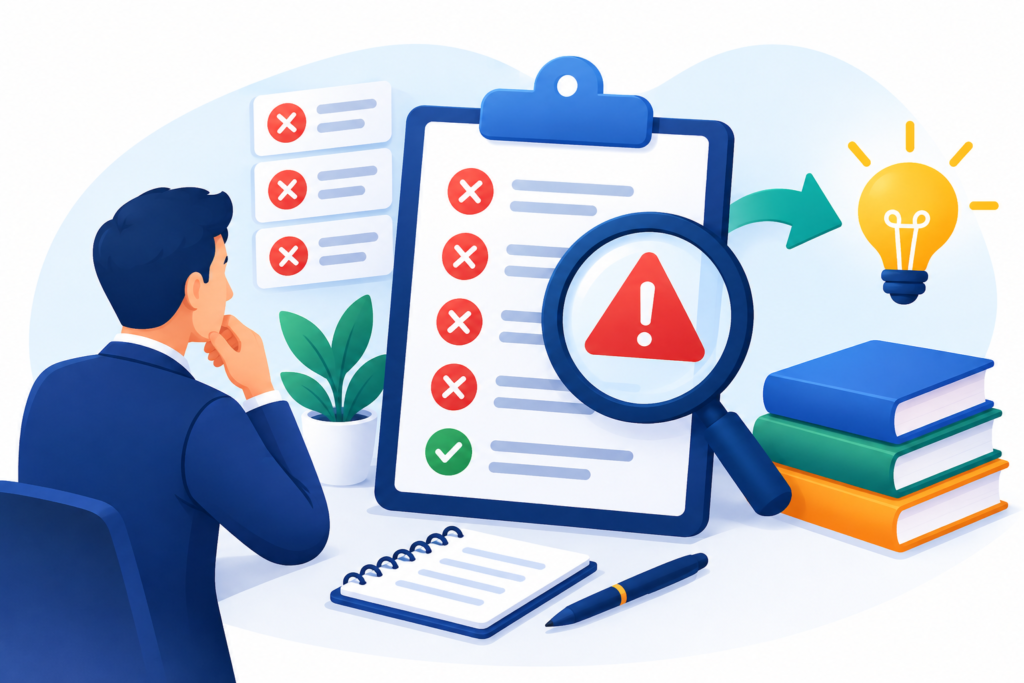
The most damaging SLA mistakes often occur when the agreement is treated as a sales document instead of an operational commitment. Businesses may select a provider based on a high availability percentage without checking how availability is measured, or they may accept a rapid response promise without confirming support hours and escalation coverage. Others overlook backups, application-level failures, external dependencies, and recovery procedures. These gaps become apparent during outages, when the customer expects a particular outcome but the provider’s actual obligation is narrower. Before signing, both parties should examine realistic failure scenarios and confirm that the agreement explains how each will be handled.
Another frequent problem is measuring performance without connecting it to business impact. A provider may achieve its average response target while critical incidents receive inadequate attention. An organisation may also report excellent uptime while important functions, such as payments or enquiry forms, are failing. Effective SLA management therefore requires metrics that reflect actual service outcomes, not merely convenient numbers. Businesses should test critical user journeys, monitor the systems they depend on, and review the quality of incident communication. They should also ensure that measurements are supported by reliable evidence and that reporting rules are understood by both parties.
Finally, organisations should avoid leaving the SLA unchanged as services evolve. New integrations, rising traffic, changing security risks, additional business hours, and altered supplier arrangements can all affect service requirements. If the agreement is not updated, its targets may become unrealistic or fail to protect the most important business processes. Establish a review schedule, document corrective actions, clarify responsibilities, and verify that monitoring and recovery procedures continue to work. An effective SLA is a living service management framework supported by measurable commitments, clear ownership, and continuous improvement.
Best Practices Summary for Service Level Agreements
The following practices provide a practical foundation for creating and maintaining an effective SLA:
- Define the service scope clearly. Identify the systems, activities, support arrangements, and dependencies covered by the agreement.
- Set measurable targets. Use precise definitions for availability, response times, restoration objectives, and other relevant service indicators.
- Make responsibilities explicit. Document what the provider must deliver and what the customer must supply, approve, or maintain.
- Use realistic commitments. Base targets on historical performance, staffing, infrastructure, and the actual needs of the business.
- Separate response from resolution. Acknowledging an incident and restoring the service are different activities and should have separate definitions.
- Establish escalation procedures. Specify how urgent incidents are reported, who receives notifications, and when senior technical staff become involved.
- Include security and recovery arrangements. Define relevant responsibilities for incident response, access control, backups, restoration, and data protection.
- Monitor performance consistently. Use appropriate tools and reliable evidence to calculate service levels and detect potential problems.
- Report meaningful results. Focus on business impact, recurring incidents, missed targets, and corrective actions rather than superficial averages.
- Review the agreement regularly. Update targets and responsibilities when technology, service scope, or business requirements change.
- Document remedies and exclusions. Explain service credits, corrective actions, eligibility requirements, and relevant exceptions.
- Prioritise continuous improvement. Investigate root causes, test recovery processes, and track agreed improvements to completion.
These practices help businesses create SLAs that are understandable, measurable, and useful in everyday operations. They also help providers demonstrate accountability without making commitments that cannot be sustained. The goal is to establish a practical balance between customer protection, technical capability, and commercial reality.
Conclusion
Service Level Agreements are an essential part of managing reliable digital services. By defining service scope, performance targets, responsibilities, support procedures, reporting methods, and remedies, an SLA creates a shared understanding between a provider and its customer. It reduces ambiguity, improves accountability, and provides a structured way to respond when service performance falls below expectations.
For website hosting, maintenance, cloud platforms, and other digital services, the most important considerations include realistic availability commitments, clearly defined response times, tested recovery arrangements, appropriate security provisions, and reliable performance monitoring. Businesses should also recognise that an SLA is not a guarantee against every failure. Its effectiveness depends on the quality of its commitments, the systems supporting those commitments, and the willingness of both parties to investigate problems and improve service delivery.
At Monthly Website Design, the principles discussed in this guide can help businesses approach digital service management with greater clarity and confidence. Whether you are preparing your first SLA, reviewing an existing hosting agreement, or improving a managed service relationship, begin by identifying your most important business requirements. Translate those requirements into measurable commitments, assign clear responsibilities, and establish a process for monitoring performance.
An effective agreement should remain understandable, practical, and aligned with the service being delivered. With appropriate planning, reliable evidence, and regular reviews, an SLA can become much more than a contractual document: it can serve as a foundation for stronger supplier relationships, improved operational resilience, and more dependable digital experiences.
Want to Implement This Easily?
Prompt Text:
You are an expert consultant. Based on the blog post titled “(Service Level Agreements)”, provide a step-by-step, practical implementation guide. Include tools, best practices, common mistakes to avoid, and advanced tips. Assume the reader wants to implement everything discussed in this article effectively.
Call to Action:
Want our help implementing this? Just reach out to us via our website contact form: https://monthlywebsitedesign.co.uk/contact-us/