

Social Media Marketing in 2026: Learn proven strategies, tools, trends, and optimization techniques to grow brand awareness, traffic, and conversions with expert insights and actionable frameworks.
Introduction
In today’s hyper-connected digital ecosystem, Social Media Marketing is no longer optional—it’s a core growth engine for businesses aiming to build brand authority, engage audiences, and drive measurable conversions. Platforms like Facebook, Instagram, LinkedIn, TikTok, and X (formerly Twitter) have evolved into powerful ecosystems where brands can directly connect with their audiences, test messaging, and scale rapidly.
For businesses working with platforms like Monthly Website Design, leveraging social media effectively means aligning content strategy with audience intent, platform algorithms, and measurable KPIs. It’s not about posting randomly—it’s about creating a data-driven, user-focused marketing system that delivers consistent results.
This comprehensive guide will walk you through modern social media strategies, algorithm insights, content frameworks, and growth tactics designed to help you outperform competitors in 2026 and beyond.
Understanding Social Media Marketing Fundamentals
Social Media Marketing (SMM) refers to the strategic use of social platforms to promote a brand, product, or service. It involves content creation, audience engagement, paid advertising, analytics, and optimization. The goal is not just visibility, but meaningful interaction that leads to conversions and loyalty.
At its core, successful SMM is built on three pillars: audience understanding, content relevance, and consistent engagement. Businesses that fail often treat social media as a broadcasting tool, while high-performing brands treat it as a two-way communication channel. This shift in mindset is critical for long-term success.
From an SEO perspective, social media also supports off-page signals. While social signals are not direct ranking factors, they help amplify content reach, generate backlinks, and increase branded searches—all of which contribute to improved search performance.
The Evolution of Social Media Platforms
Social media platforms have undergone significant transformations over the past decade. What started as simple networking tools has now become a multi-billion-dollar advertising ecosystem driven by AI algorithms, personalization, and real-time engagement metrics.
Modern platforms prioritize content relevance, user engagement, and watch time. For instance, short-form video content dominates platforms like Instagram Reels and TikTok, while LinkedIn has evolved into a content-first platform emphasizing thought leadership and professional storytelling.
Understanding platform evolution helps marketers adapt their strategies. Instead of using a one-size-fits-all approach, successful brands tailor content formats, tone, and messaging for each platform. This ensures maximum reach and engagement while maintaining brand consistency.
Building a High-Impact Social Media Strategy
A successful social media strategy starts with clear goals. Whether it’s brand awareness, lead generation, website traffic, or sales, defining objectives ensures every action aligns with measurable outcomes.
Next, audience research is critical. Identify your target demographics, interests, behaviors, and pain points. This allows you to create content that resonates deeply rather than generic posts that get ignored. Tools like audience insights dashboards and analytics platforms help refine this process.
Finally, create a structured content plan. This includes content types, posting frequency, platform selection, and performance tracking. A well-documented strategy ensures consistency and scalability, making it easier to optimize campaigns over time.
Content Creation: The Core of Social Media Success
Content is the backbone of any social media strategy. High-performing content is engaging, valuable, and aligned with user intent. It should educate, entertain, or inspire—ideally combining all three.
There are multiple content formats to consider, including videos, carousels, infographics, stories, and live sessions. Each format serves a unique purpose. For example, videos drive engagement, while carousels are excellent for storytelling and education.
Consistency is key. Posting regularly helps maintain visibility and build audience trust. However, quality should never be compromised for quantity. Focus on creating high-value content that solves problems and delivers insights.
Leveraging Short-Form Video Content
Short-form video has become the most powerful content format in social media marketing. Platforms prioritize videos because they increase user engagement and session duration.
Effective short-form videos capture attention within the first few seconds. This requires strong hooks, visually appealing elements, and concise messaging. Brands that master storytelling in under 60 seconds often outperform competitors significantly.
Additionally, video content allows for better emotional connection. Whether it’s behind-the-scenes footage, tutorials, or user-generated content, videos create authenticity and trust—two critical factors for conversions.
Social Media Algorithms: How They Work

Understanding algorithms is essential for maximizing reach. Social media platforms use complex systems to determine which content appears in users’ feeds. These systems analyze factors such as engagement rate, relevance, timeliness, and user behavior.
For example, content that receives high engagement shortly after posting is more likely to be promoted further. This is why timing and audience activity play a crucial role in content distribution.
To optimize for algorithms, focus on creating engaging content, encouraging interactions, and maintaining consistency. Avoid outdated tactics like excessive hashtags or clickbait, as modern algorithms prioritize authentic engagement over manipulation.
Audience Engagement and Community Building
Engagement is the lifeblood of social media success. It’s not enough to post content—you must actively interact with your audience. Responding to comments, messages, and mentions builds trust and strengthens relationships.
Community building goes beyond engagement. It involves creating a loyal audience that advocates for your brand. This can be achieved through interactive content such as polls, Q&A sessions, and live streams.
Brands that prioritize community often see higher retention rates and better conversion outcomes. A strong community acts as a powerful marketing asset, driving organic growth and word-of-mouth referrals.
Paid Social Media Advertising Strategies
Organic reach alone is often not enough, especially in competitive industries. Paid advertising allows businesses to scale visibility and target specific audiences with precision.
Successful ad campaigns start with clear objectives and audience targeting. Platforms offer advanced targeting options based on demographics, interests, and behaviors, enabling highly personalized campaigns.
Creative elements also play a critical role. High-quality visuals, compelling copy, and strong calls-to-action significantly impact ad performance. Continuous testing and optimization are essential for maximizing ROI.
Influencer Marketing and Brand Collaborations
Influencer marketing has become a key component of modern social media strategies. Collaborating with influencers allows brands to tap into established audiences and build credibility quickly.
The key to successful influencer marketing is authenticity. Choose influencers whose values align with your brand and whose audience matches your target market. Micro-influencers often deliver higher engagement rates compared to larger influencers.
Long-term partnerships tend to be more effective than one-off collaborations. They help build trust and create consistent brand messaging across multiple campaigns.
Analytics and Performance Tracking
Data-driven decision-making is essential in social media marketing. Analytics tools provide insights into performance metrics such as engagement, reach, impressions, and conversions.
Tracking these metrics helps identify what works and what doesn’t. For example, analyzing top-performing posts can reveal patterns in content type, timing, and audience preferences.
Regular reporting and analysis enable continuous improvement. Businesses that rely on data rather than assumptions are more likely to achieve sustainable growth and higher ROI.
Platform-Specific Strategies for Maximum Impact
Each social media platform operates with its own unique algorithm, audience behavior, and content preferences. Treating all platforms the same is one of the biggest mistakes businesses make. Instead, a platform-specific strategy ensures that your content performs optimally across different channels.
For example, Instagram thrives on visually appealing content such as Reels, Stories, and carousels, while LinkedIn prioritizes professional insights, case studies, and thought leadership. TikTok is driven by trends, creativity, and authenticity, whereas Facebook remains strong for community building and targeted advertising. Understanding these nuances allows brands to tailor their messaging effectively.
Additionally, posting frequency and tone should vary by platform. A casual, entertaining tone may work well on TikTok but may not resonate on LinkedIn. By aligning your strategy with platform-specific expectations, you increase engagement, improve reach, and create a more cohesive brand experience.
Social Commerce and Conversion Optimization
Social media is no longer just about engagement—it’s now a powerful sales channel. Social commerce integrates eCommerce functionality directly into platforms, allowing users to discover and purchase products without leaving the app.
To optimize for conversions, businesses must focus on user experience, trust signals, and seamless navigation. High-quality visuals, clear product descriptions, and strong calls-to-action play a crucial role in influencing purchase decisions. Additionally, leveraging features like Instagram Shops and Facebook Marketplace can significantly boost sales.
Conversion optimization also involves analyzing user behavior. Identify drop-off points, test different creatives, and refine your funnel to improve results. By combining engaging content with strategic optimization, social media can become a high-performing revenue channel.
Integrating Social Media with SEO and Content Marketing
Social media and SEO are often treated as separate strategies, but in reality, they complement each other. Social platforms help amplify content, drive traffic, and increase brand visibility—all of which contribute to stronger search performance.
According to Google’s official guidance on creating helpful content, content should be designed primarily for users, not search engines. Social media provides an excellent testing ground for understanding what content resonates with your audience before scaling it through SEO.
Additionally, social sharing can lead to backlinks, which are a key ranking factor. When high-quality content is widely shared, it increases the chances of being referenced by authoritative websites. This creates a powerful synergy between social media and search engine optimization.
Automation, AI, and Future Trends in Social Media Marketing
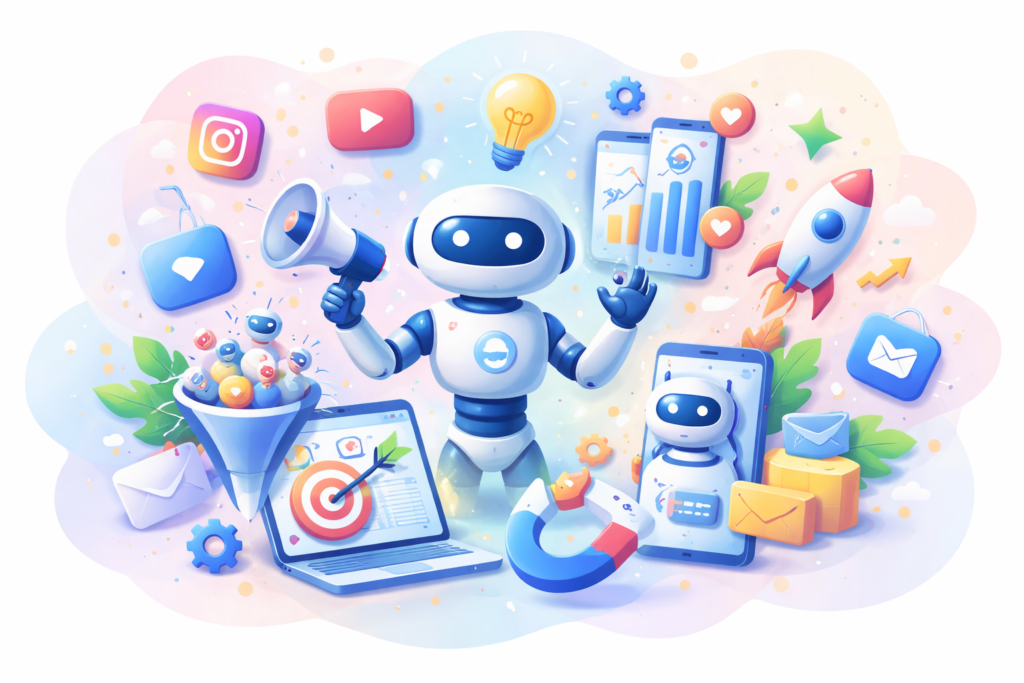
The future of social media marketing is being shaped by automation and artificial intelligence. From content scheduling tools to AI-driven analytics, technology is enabling businesses to operate more efficiently and effectively.
Automation tools help streamline repetitive tasks such as posting, monitoring, and reporting. This allows marketers to focus on strategy and creativity rather than manual processes. However, it’s important to maintain a human touch, as authenticity remains a key factor in engagement.
AI is also transforming content creation and personalization. Advanced algorithms can analyze user behavior and deliver highly targeted content, improving engagement and conversion rates. Staying ahead of these trends ensures that your strategy remains competitive in an ever-evolving digital landscape.
Building a Long-Term Social Media Growth System
Sustainable success in social media marketing requires a long-term approach. Instead of chasing short-term trends, focus on building a scalable and repeatable system that delivers consistent results.
This involves documenting processes, creating content frameworks, and establishing clear workflows. A well-structured system ensures that your efforts are aligned with your goals and can be scaled as your business grows.
Continuous learning and adaptation are also essential. Social media is constantly evolving, and staying updated with trends, algorithm changes, and user behavior is critical. By focusing on long-term growth rather than quick wins, you can build a strong and resilient social media presence.
Common Mistakes in Social Media Marketing
One of the most common mistakes businesses make is posting without a strategy. Random content without clear objectives often leads to low engagement and wasted resources. A well-defined plan ensures that every post serves a purpose and contributes to overall goals.
Another major issue is ignoring analytics. Many businesses fail to track performance, which prevents them from identifying what works and what doesn’t. Without data-driven insights, it’s impossible to optimize campaigns effectively.
Over-promotion is another critical mistake. Constantly pushing products or services can alienate your audience. Instead, focus on providing value through educational, entertaining, and inspiring content. A balanced approach builds trust and encourages long-term engagement.
Best Practices Summary
To succeed in social media marketing, focus on creating high-quality, audience-focused content that aligns with your brand and goals. Consistency, authenticity, and engagement should be at the core of your strategy.
Leverage both organic and paid strategies to maximize reach and impact. While organic content builds relationships, paid advertising helps scale your efforts and achieve faster results.
Finally, adopt a data-driven approach. Regularly analyze performance metrics, test different strategies, and refine your approach based on insights. Continuous improvement is key to staying competitive in the dynamic world of social media.
FAQs
1. What is Social Media Marketing?
Social Media Marketing is the use of social platforms to promote a brand, engage audiences, and drive traffic or sales through content, advertising, and community interaction.
2. Which platform is best for social media marketing?
The best platform depends on your target audience and goals. Instagram and TikTok are ideal for visual content, while LinkedIn is better for B2B marketing and professional networking.
3. How often should I post on social media?
Posting frequency varies by platform, but consistency is more important than quantity. Focus on maintaining a regular schedule that aligns with your audience’s activity.
4. Is paid advertising necessary?
While organic strategies are important, paid advertising helps scale your reach and target specific audiences more effectively, especially in competitive markets.
5. How do I measure success in social media marketing?
Success can be measured through metrics such as engagement rate, reach, conversions, and ROI. Analytics tools provide valuable insights for optimization.
6. What type of content performs best?
Video content, especially short-form videos, tends to perform best due to high engagement and shareability. However, the effectiveness depends on your audience and platform.
7. How long does it take to see results?
Results vary depending on strategy and consistency. Organic growth may take time, while paid campaigns can deliver quicker results.
8. Can small businesses benefit from social media marketing?
Absolutely. Social media provides cost-effective opportunities for small businesses to reach and engage their target audience without large budgets.
Conclusion
Social Media Marketing is a powerful tool for building brand awareness, engaging audiences, and driving business growth. By implementing the strategies outlined in this guide, businesses can create a strong and sustainable presence in the digital landscape.
For businesses working with Monthly Website Design, integrating social media into a broader digital marketing strategy ensures maximum impact and long-term success. The key lies in consistency, innovation, and a deep understanding of your audience.
Want to Implement This Easily?
Prompt Text:
You are an expert consultant. Based on the blog post titled “(Social Media Marketing)”, provide a step-by-step, practical implementation guide. Include tools, best practices, common mistakes to avoid, and advanced tips. Assume the reader wants to implement everything discussed in this article effectively.
Call to Action:
Want our help implementing this? Just reach out to us via our website contact form:
https://monthlywebsitedesign.co.uk/contact-us/