
Content Marketing strategies that drive traffic, engagement, and conversions in 2026. Learn proven frameworks, SEO integration, and scalable techniques to dominate your niche.
Introduction
Content marketing has evolved into one of the most powerful digital growth engines for businesses aiming to build sustainable online visibility. In today’s competitive landscape, simply publishing blog posts is no longer enough. Success requires a strategic, data-driven, and audience-focused approach that aligns with search intent, user experience, and long-term brand authority.
At its core, content marketing is about delivering value before asking for anything in return. Whether it’s blog articles, videos, infographics, or email newsletters, the goal is to educate, inform, and guide users through their decision-making journey. This approach not only builds trust but also significantly improves organic rankings when aligned with SEO best practices.
For businesses leveraging platforms like MonthlyWebsiteDesign, content marketing becomes even more impactful when integrated with technical SEO, UX design, and performance optimization. This guide explores advanced strategies, frameworks, and insights to help you create content that ranks, converts, and sustains growth in 2026 and beyond.
Understanding Content Marketing in the Modern SEO Era
Content marketing is no longer just about writing articles—it is a strategic ecosystem designed to attract, engage, and convert a clearly defined audience. In the modern SEO era, content must align with search intent, user behavior, and algorithmic expectations. Search engines like Google prioritize content that demonstrates Experience, Expertise, Authoritativeness, and Trustworthiness (E-E-A-T), making quality more important than ever.
The shift toward semantic search and AI-driven algorithms means that content must go beyond keywords. Instead of focusing solely on keyword density, successful content strategies now revolve around topic authority. This involves covering a subject comprehensively, using related terms, answering user questions, and providing actionable insights. For example, a single high-quality guide can outperform dozens of thin blog posts if it satisfies user intent effectively.
Additionally, content marketing now plays a critical role in the entire customer journey. From awareness to consideration and decision-making, each piece of content should serve a purpose. Informational blog posts attract traffic, comparison guides nurture leads, and case studies drive conversions. By mapping content to each stage of the funnel, businesses can create a seamless and persuasive user experience.
Why Content Marketing Is Critical for SEO Success
Content marketing and SEO are deeply interconnected. Without high-quality content, SEO simply cannot exist. Search engines rely on content to understand what your website is about and how relevant it is to user queries. This makes content the foundation of any successful SEO strategy.
One of the primary benefits of content marketing is its ability to generate organic traffic. Unlike paid advertising, which stops delivering results once the budget runs out, well-optimized content continues to attract visitors over time. Evergreen content, in particular, can drive consistent traffic for months or even years with minimal updates.
Another critical advantage is link building. High-quality content naturally attracts backlinks from authoritative websites, which significantly boosts domain authority and search rankings. According to Google Search Central guidelines, content should be created for users first, not search engines. This principle reinforces the importance of providing genuine value rather than manipulating rankings.
Finally, content marketing enhances user engagement metrics such as time on page, bounce rate, and click-through rate. These behavioral signals indirectly influence rankings and indicate to search engines that your content is relevant and useful.
Building a Content Marketing Strategy That Works
A successful content marketing strategy starts with a clear understanding of your goals and audience. Without a structured plan, content efforts can become inconsistent and ineffective. The first step is to define your objectives—whether it’s increasing traffic, generating leads, or improving brand awareness.
Next, audience research is essential. Understanding your target audience’s needs, preferences, and pain points allows you to create content that resonates. This involves analyzing search queries, customer feedback, and competitor content. Tools like keyword research platforms and analytics software can provide valuable insights into what your audience is actively searching for.
Once you have a clear direction, you can develop a content calendar. This ensures consistency and helps you plan topics in advance. A well-structured calendar should include a mix of content types, such as blog posts, guides, videos, and case studies. Consistency is key—publishing high-quality content regularly builds trust with both users and search engines.
Keyword Research for Content Marketing
Keyword research is the backbone of content marketing. It helps you identify what your audience is searching for and how you can position your content to meet those needs. However, modern keyword research goes beyond finding high-volume terms—it focuses on intent and relevance.
There are three main types of keywords: informational, navigational, and transactional. Informational keywords are used for educational content, while transactional keywords are aimed at conversions. A balanced content strategy should include all three types to cover the entire customer journey.
Long-tail keywords have become increasingly important in recent years. These are more specific phrases that often have lower competition but higher conversion rates. For example, instead of targeting “content marketing,” you might target “content marketing strategy for small businesses 2026.” This approach allows you to attract more qualified traffic.
Additionally, incorporating LSI (Latent Semantic Indexing) keywords helps search engines understand the context of your content. By naturally including related terms and phrases, you can improve your chances of ranking for multiple queries.
Creating High-Quality, SEO-Optimized Content
Creating high-quality content requires a combination of creativity, research, and technical optimization. The goal is to produce content that not only ranks well but also provides real value to readers. This starts with understanding user intent and delivering content that meets or exceeds expectations.
Structure plays a crucial role in content quality. Using clear headings, subheadings, and short paragraphs improves readability and user experience. Formatting elements like bold, italic, and <u>underline</u> can highlight important points and guide readers through the content.
Another important aspect is originality. Search engines prioritize unique content that offers fresh insights. Avoid duplicating existing content or relying on generic information. Instead, focus on providing in-depth analysis, real-world examples, and actionable advice.
Finally, optimization should be done naturally. This includes using keywords strategically, optimizing meta tags, and ensuring proper internal linking. According to Google’s SEO Starter Guide, content should be written primarily for users, with SEO enhancements applied in a way that enhances readability rather than detracts from it.
Content Types That Drive Engagement and Conversions
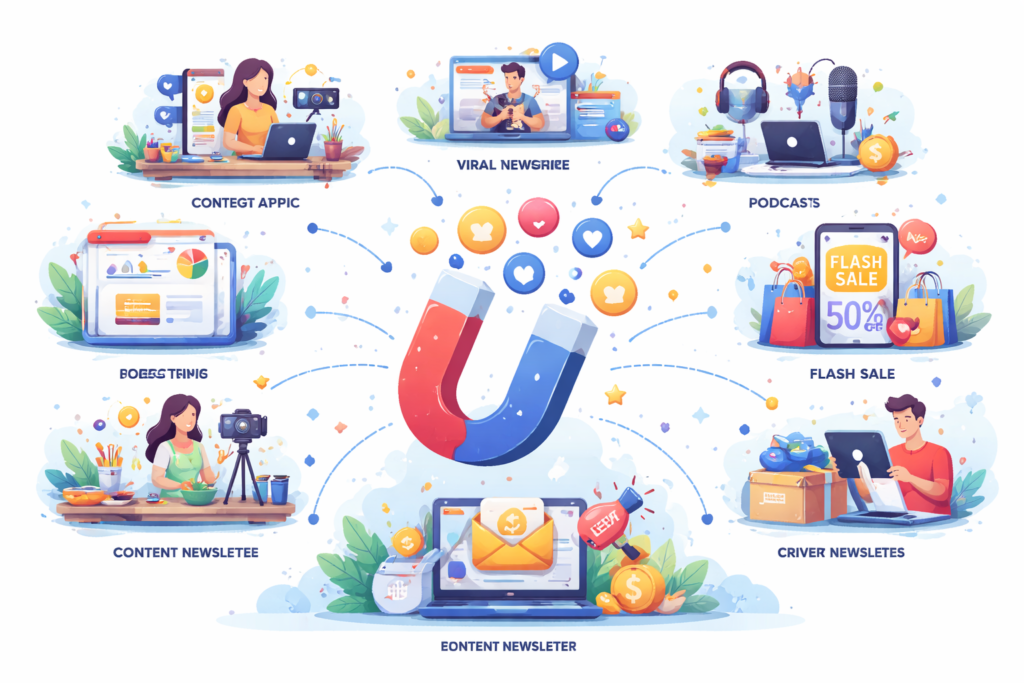
Different types of content serve different purposes, and a successful strategy includes a variety of formats. Blog posts are the foundation of most content marketing efforts, providing valuable information and driving organic traffic.
Long-form guides and pillar content are particularly effective for establishing authority. These comprehensive resources cover a topic in depth and often rank well for competitive keywords. They also serve as hubs for internal linking, connecting related content across your website.
Visual content, such as infographics and videos, can significantly increase engagement. These formats are easier to consume and share, making them ideal for social media and outreach campaigns. Additionally, case studies and testimonials provide social proof, helping to build trust and drive conversions.
Interactive content, such as quizzes and calculators, is another powerful tool. These formats encourage user participation and can provide personalized insights, making them highly engaging and memorable.
On-Page SEO for Content Marketing
On-page SEO ensures that your content is optimized for both search engines and users. This includes elements such as title tags, meta descriptions, headers, and internal links. Each of these components plays a role in improving visibility and usability.
Title tags should be clear, concise, and include your primary keyword. Meta descriptions should provide a compelling summary that encourages users to click. While these elements do not directly impact rankings, they significantly influence click-through rates.
Headers (H1, H2, H3) help structure your content and make it easier to read. They also provide context to search engines, helping them understand the hierarchy of information. Using keywords naturally within headers can improve relevance without appearing spammy.
Internal linking is another critical aspect of on-page SEO. By linking to related content within your website, you can improve navigation, distribute link equity, and keep users engaged for longer periods.
The Role of E-E-A-T in Content Marketing
E-E-A-T (Experience, Expertise, Authoritativeness, Trustworthiness) is a key factor in Google’s ranking algorithm. Content that demonstrates these qualities is more likely to rank well and build credibility with users.
Experience refers to firsthand knowledge or practical insights. For example, sharing real-world examples or case studies can enhance the perceived value of your content. Expertise involves demonstrating a deep understanding of the subject matter, which can be achieved through thorough research and accurate information.
Authoritativeness is built through backlinks, mentions, and recognition from reputable sources. The more your content is referenced by authoritative websites, the stronger your credibility becomes. Trustworthiness, on the other hand, involves transparency, accuracy, and reliability.
According to Google Search Quality Evaluator Guidelines, trust is the most important component of E-E-A-T. Ensuring that your content is accurate, up-to-date, and well-sourced is essential for long-term success.
Content Distribution and Promotion Strategies
Creating great content is only half the battle—distribution is equally important. Without effective promotion, even the best content may go unnoticed. A comprehensive distribution strategy ensures that your content reaches the right audience at the right time.
Social media platforms are one of the most effective channels for content promotion. Sharing your content on platforms like LinkedIn, Twitter, and Facebook can drive traffic and increase visibility. Each platform has its own audience and style, so it’s important to tailor your approach accordingly.
Email marketing is another powerful distribution channel. By building an email list, you can directly reach your audience with new content, updates, and offers. Personalized emails tend to perform better, as they provide relevant information based on user preferences.
Additionally, outreach and partnerships can amplify your reach. Collaborating with influencers, bloggers, and industry experts can help you tap into new audiences and build credibility.
Measuring Content Marketing Performance
Measuring performance is essential for understanding what works and what doesn’t. Without data, it’s impossible to optimize your strategy effectively. Key performance indicators (KPIs) provide valuable insights into the success of your content marketing efforts.
Traffic is one of the most important metrics. Monitoring organic traffic helps you understand how well your content is performing in search results. Tools like Google Analytics allow you to track user behavior, including page views, session duration, and bounce rate.
Engagement metrics, such as time on page and social shares, indicate how users interact with your content. High engagement levels suggest that your content is valuable and relevant. Conversion rates, on the other hand, measure how effectively your content drives desired actions, such as sign-ups or purchases.
Regular analysis and reporting are crucial for continuous improvement. By identifying trends and patterns, you can refine your strategy and focus on what delivers the best results.
Advanced Content Marketing Strategies for 2026
As competition intensifies, basic content strategies are no longer enough to achieve sustainable growth. Advanced content marketing focuses on depth, personalization, and scalability. One of the most effective approaches is the topic cluster model, where a central pillar page is supported by multiple related articles. This structure not only improves internal linking but also signals topical authority to search engines.
Another powerful strategy is content repurposing. Instead of creating new content from scratch, you can transform existing content into different formats such as videos, infographics, podcasts, or social media snippets. This maximizes the value of your content while reaching different audience segments across multiple platforms.
AI-driven personalization is also becoming a key differentiator. By analyzing user behavior and preferences, businesses can deliver tailored content experiences. This includes personalized recommendations, dynamic website content, and targeted email campaigns. According to Google’s helpful content system, content should be designed to satisfy user intent at every stage, making personalization a critical factor in modern strategies.
Content Funnels and Conversion Optimization
A well-structured content funnel guides users from awareness to conversion. Each stage of the funnel requires different types of content, designed to address specific needs and questions. The top of the funnel focuses on attracting visitors through informational content such as blog posts and guides.
In the middle of the funnel, the goal is to nurture leads. This is where comparison articles, case studies, and in-depth resources come into play. These types of content help users evaluate their options and build trust in your brand. Providing detailed and transparent information is essential for moving users closer to a decision.
At the bottom of the funnel, conversion-focused content takes center stage. This includes landing pages, product descriptions, and testimonials. Optimizing these elements for clarity, trust, and usability can significantly improve conversion rates. According to Google Page Experience guidelines, a seamless user experience is critical for both rankings and conversions.
Content Marketing for Different Industries
Content marketing strategies can vary significantly depending on the industry. For example, e-commerce businesses often focus on product guides, reviews, and tutorials to drive sales. These types of content help users make informed purchasing decisions while improving SEO performance.
In contrast, B2B companies typically prioritize thought leadership and educational content. Whitepapers, case studies, and in-depth articles are particularly effective for establishing authority and generating leads. These formats provide valuable insights and demonstrate expertise, which is essential for building trust with decision-makers.
Service-based businesses, on the other hand, benefit from localized content and client success stories. Creating content that addresses specific customer needs and showcases real-world results can significantly enhance credibility. Regardless of the industry, the key is to understand your audience and tailor your content accordingly.
Scaling Content Marketing Efforts
Scaling content marketing requires a combination of efficient processes, tools, and team collaboration. One of the first steps is to establish a clear workflow for content creation, from ideation to publication. This ensures consistency and reduces bottlenecks.
Automation tools can also play a significant role in scaling efforts. From content scheduling to performance tracking, these tools help streamline operations and save time. However, it’s important to maintain a balance between automation and human input to ensure quality and authenticity.
Outsourcing is another effective strategy for scaling. Working with experienced writers, designers, and marketers can help you produce high-quality content at scale. However, maintaining editorial guidelines and quality control is essential to ensure consistency across all content.
Future Trends in Content Marketing

The future of content marketing is shaped by technological advancements and changing user behavior. One of the most significant trends is the rise of AI-generated content. While AI can assist with content creation, human expertise and creativity remain essential for producing high-quality, engaging content.
Voice search is another trend that is gaining traction. As more users rely on voice assistants, optimizing content for conversational queries becomes increasingly important. This involves using natural language and answering specific questions clearly and concisely.
Interactive and immersive content is also on the rise. Technologies such as augmented reality (AR) and virtual reality (VR) are creating new opportunities for engaging users. Additionally, video content continues to dominate, with platforms like YouTube and TikTok driving significant traffic and engagement.
Common Mistakes in Content Marketing
One of the most common mistakes is focusing on quantity over quality. Publishing large volumes of low-quality content can harm your SEO performance and damage your brand reputation. Instead, it’s better to focus on creating fewer, high-quality pieces that provide real value.
Another mistake is neglecting user intent. Creating content without understanding what users are looking for can result in poor engagement and low rankings. Conducting thorough keyword and audience research is essential for aligning your content with user needs.
Lack of consistency is also a major issue. Inconsistent publishing schedules can make it difficult to build an audience and maintain momentum. Establishing a content calendar and sticking to it can help ensure regular and reliable output.
Finally, ignoring analytics can limit your ability to improve. Without tracking performance, it’s impossible to identify what works and what doesn’t. Regular analysis and optimization are key to long-term success.
FAQs
1. What is content marketing and why is it important?
Content marketing is a strategy focused on creating and distributing valuable content to attract and engage an audience. It is important because it drives organic traffic, builds trust, and supports long-term business growth.
2. How long does it take to see results from content marketing?
Content marketing is a long-term strategy. While some results can be seen within a few months, significant growth typically takes 6–12 months or more, depending on competition and consistency.
3. What types of content perform best for SEO?
Long-form guides, how-to articles, and comprehensive resources tend to perform well because they provide in-depth information and satisfy user intent effectively.
4. How often should I publish content?
Consistency is more important than frequency. Whether you publish weekly or monthly, maintaining a regular schedule is key to building momentum and trust.
5. How do I measure content marketing success?
Success can be measured using metrics such as organic traffic, engagement, backlinks, and conversions. Tools like Google Search Console provide valuable insights.
6. Can content marketing work for small businesses?
Yes, content marketing is highly effective for small businesses. It allows them to compete with larger companies by focusing on niche topics and providing valuable insights.
7. What is the role of SEO in content marketing?
SEO ensures that your content is discoverable by search engines. It involves optimizing content for keywords, structure, and user experience.
8. How can I improve my content quality?
Focus on originality, depth, and user value. Conduct thorough research, provide actionable insights, and continuously update your content.
Best Practices Summary
To succeed in content marketing, it’s essential to focus on quality, consistency, and user value. Creating content that addresses real user needs and provides actionable insights is the foundation of success. Avoid shortcuts and prioritize long-term growth over quick wins.
Optimizing content for SEO should be done naturally, without compromising readability. This includes using keywords strategically, improving structure, and ensuring fast loading times. According to Google Core Web Vitals, performance and user experience are critical factors in ranking and engagement.
Finally, continuous improvement is key. Regularly updating and refining your content ensures that it remains relevant and competitive. By staying informed about industry trends and best practices, you can maintain a strong and effective content marketing strategy.
Conclusion
Content marketing is a powerful tool for building authority, driving traffic, and generating revenue. By implementing the strategies outlined in this guide, businesses can create a sustainable and scalable approach to digital growth.
For businesses using MonthlyWebsiteDesign, integrating content marketing with SEO, design, and performance optimization can unlock even greater potential. With the right strategy, tools, and mindset, content marketing can become a cornerstone of long-term success.
Want to Implement This Easily?
Prompt:
You are an expert consultant. Based on the blog post titled “Content Marketing”, provide a step-by-step, practical implementation guide. Include tools, best practices, common mistakes to avoid, and advanced tips. Assume the reader wants to implement everything discussed in this article effectively.
Call to Action:
Want our help implementing this? Just reach out to us via our website contact form: https://monthlywebsitedesign.co.uk/contact-us/